
Women’s Rights Advocacy
Princess Ashraf Pahlavi and the Advancement of Iranian Women
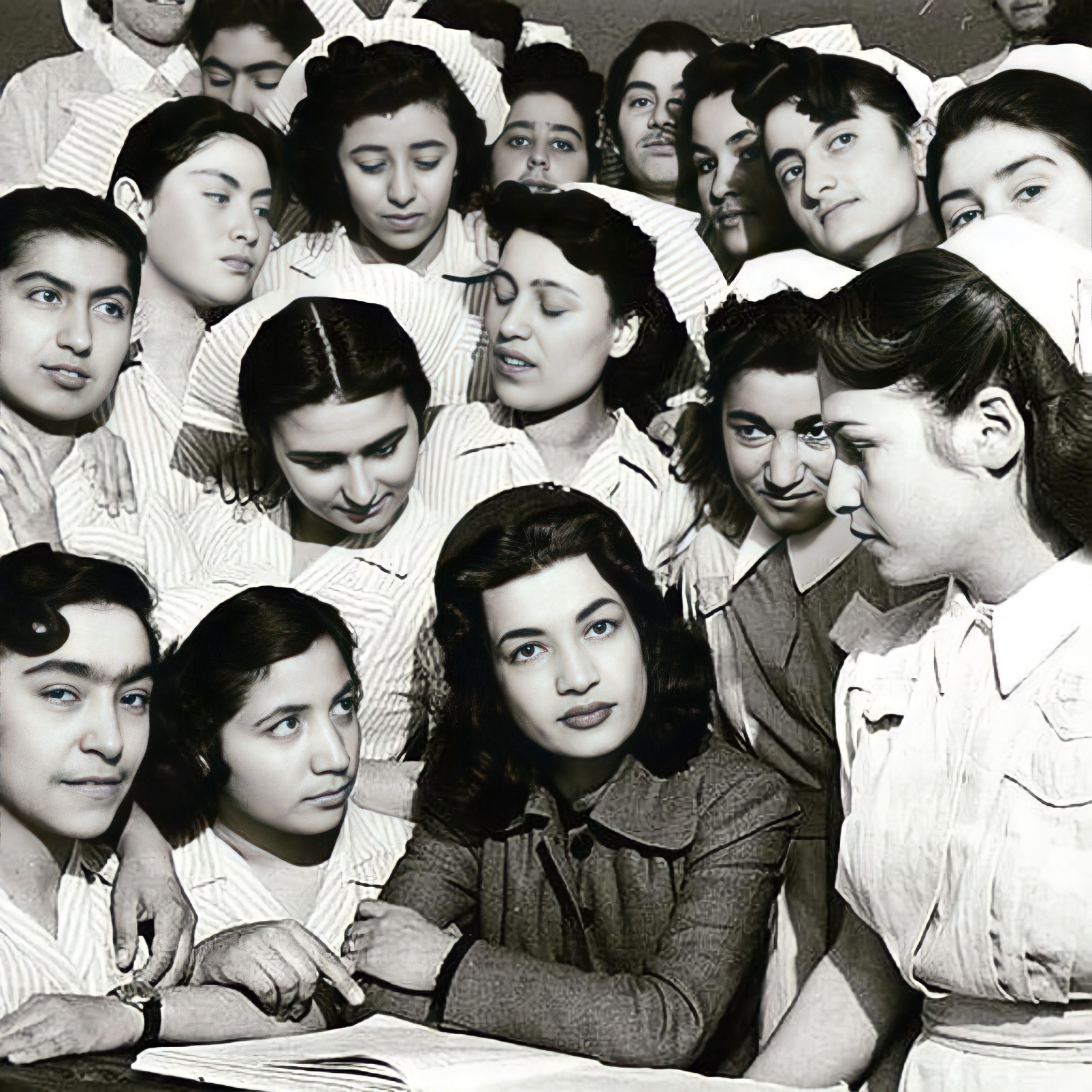
A central part of H.I.H. Princess Ashraf Pahlavi’s public life was dedicated to the advancement of women in Iran. Through her leadership, advocacy, and support for national institutions, she helped promote education, legal reform, civic participation, and greater visibility for Iranian women in public life.
The Advancement of Iranian Women
Princess Ashraf believed that the progress of a nation depended on the education, dignity, and participation of its women. Her work reflected a broader vision of social modernization and national development.
Historical Context: Reza Shah and the Unveiling of Women
The advancement of women in modern Iran was closely connected to the reforms of Reza Shah Pahlavi, who believed that Iran could not become prosperous, modern, and powerful while half of its population remained excluded from public life. In his view, women needed access to education, employment, and participation in society.
One of the most significant reforms of his reign was the decision to abolish the chador and encourage the public unveiling of women. This policy was part of a broader effort to bring women out of seclusion and into the mainstream of national life.
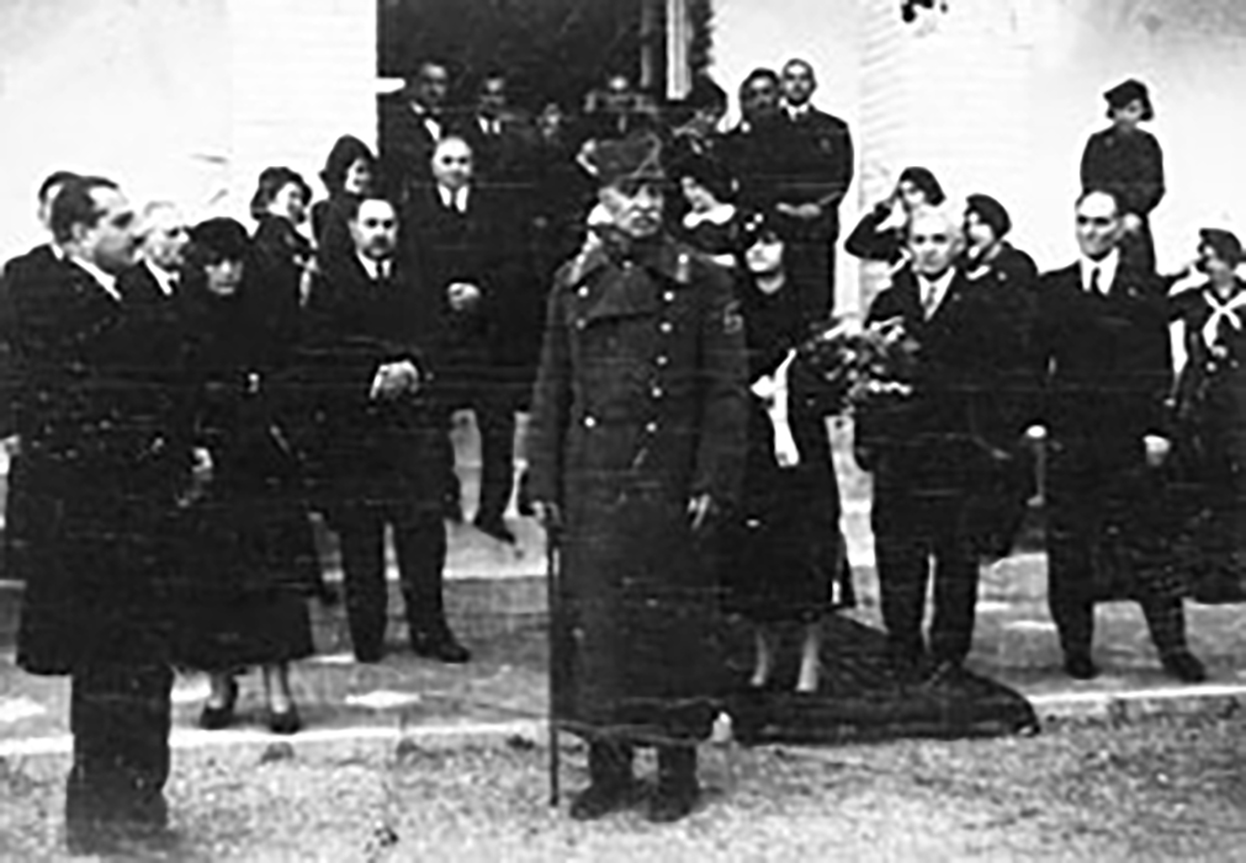
Reza Shah and the Unveiling of Women
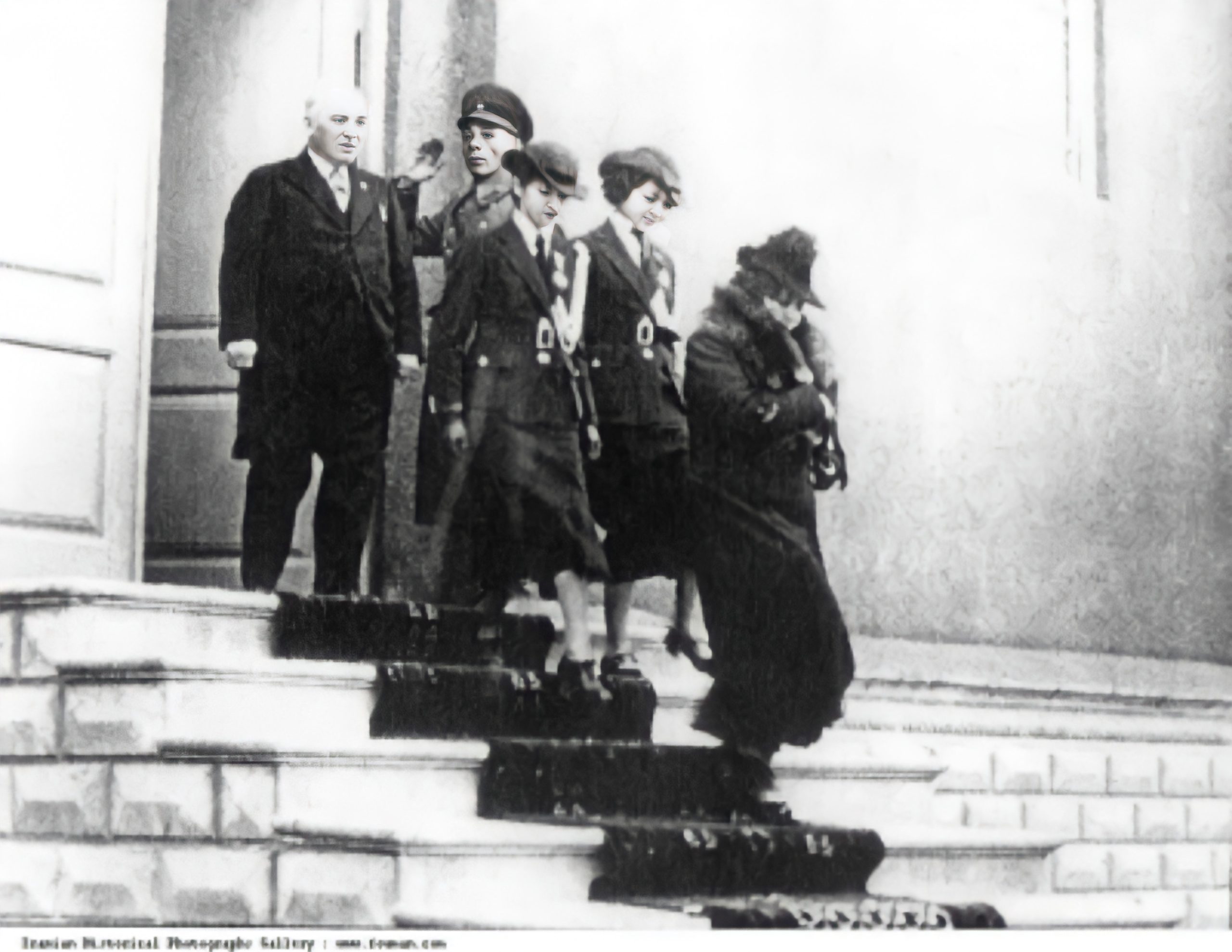
“This is the hardest thing I’ve ever had to do, but I must ask you to serve as an example for other Persian women.”
— Reza Shah Pahlavi, addressing Queen Tadj ol-Molouk, Princess Shams, and Princess Ashraf before their public appearance unveiled
Princess Ashraf Pahlavi later recalled that her father was, in private family life, a traditional man of his generation. Yet as King, he was prepared to set aside personal feelings when he believed the progress of the country required it. He asked the Queen, Princess Shams, and Princess Ashraf to appear unveiled at a public ceremony at the new Tehran Teacher’s College, making them visible examples of a new role for Iranian women.
This moment marked a turning point in the public history of Iranian women. Reza Shah understood that building schools and creating employment opportunities would not be enough unless women were also encouraged to leave the restricted environment that had limited their participation in national life.
Although the policy was forceful and controversial, it reflected the Pahlavi state’s belief that women’s advancement was essential to Iran’s modernization. This historical background shaped the environment in which Princess Ashraf Pahlavi later became one of the leading public advocates for women’s education, legal awareness, civic participation, and social progress.
Leadership and Public Responsibility
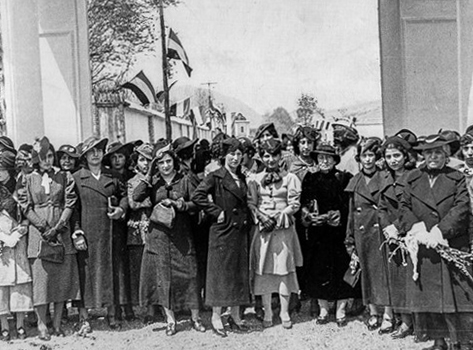
Princess Ashraf Pahlavi played an important role in supporting organizations and initiatives dedicated to improving the status of women in Iranian society. Her advocacy helped bring women’s issues into national discussion at a time when education, employment, legal rights, and public participation were central to Iran’s modernization.
As honorary president of the Women’s Organization of Iran, she supported programs that encouraged women’s literacy, professional development, legal awareness, and social participation.
Education and Literacy
Education was one of the foundations of women’s advancement. Princess Ashraf supported efforts that expanded access to learning and encouraged women to participate more fully in society. Literacy and education gave women the tools to build independence, confidence, and opportunity.
Legal and Social Progress
Her advocacy was connected to broader reforms that sought to improve the legal and social position of women. These efforts supported women’s participation in family, professional, cultural, and civic life, helping to reshape expectations for future generations.
Representation and Civic Participation
Princess Ashraf encouraged the presence of women in public institutions, social organizations, and national development programs. Her work reflected the belief that women should not remain on the margins of national life, but should participate actively in shaping Iran’s future.
Education
Support for literacy, learning, and access to educational opportunities for women.
Legal Awareness
Encouragement of reforms and public awareness regarding women’s rights and dignity.
Public Participation
Promotion of women’s involvement in civic, cultural, and national life.
“The progress of women was not a separate issue from the progress of Iran; it was central to the future of the nation.”
Legacy
The legacy of Princess Ashraf Pahlavi’s women’s rights advocacy remains part of the broader history of Iranian modernization. Her work helped open doors for women in education, public service, and national life, and contributed to a lasting conversation about equality, dignity, and progress.
Women’s Rights Advocacy
A legacy of service, reform, and advancement for Iranian women.