
Reza Shah the Great
1878–1944
Founder of the Pahlavi Dynasty • Builder of Modern Iran
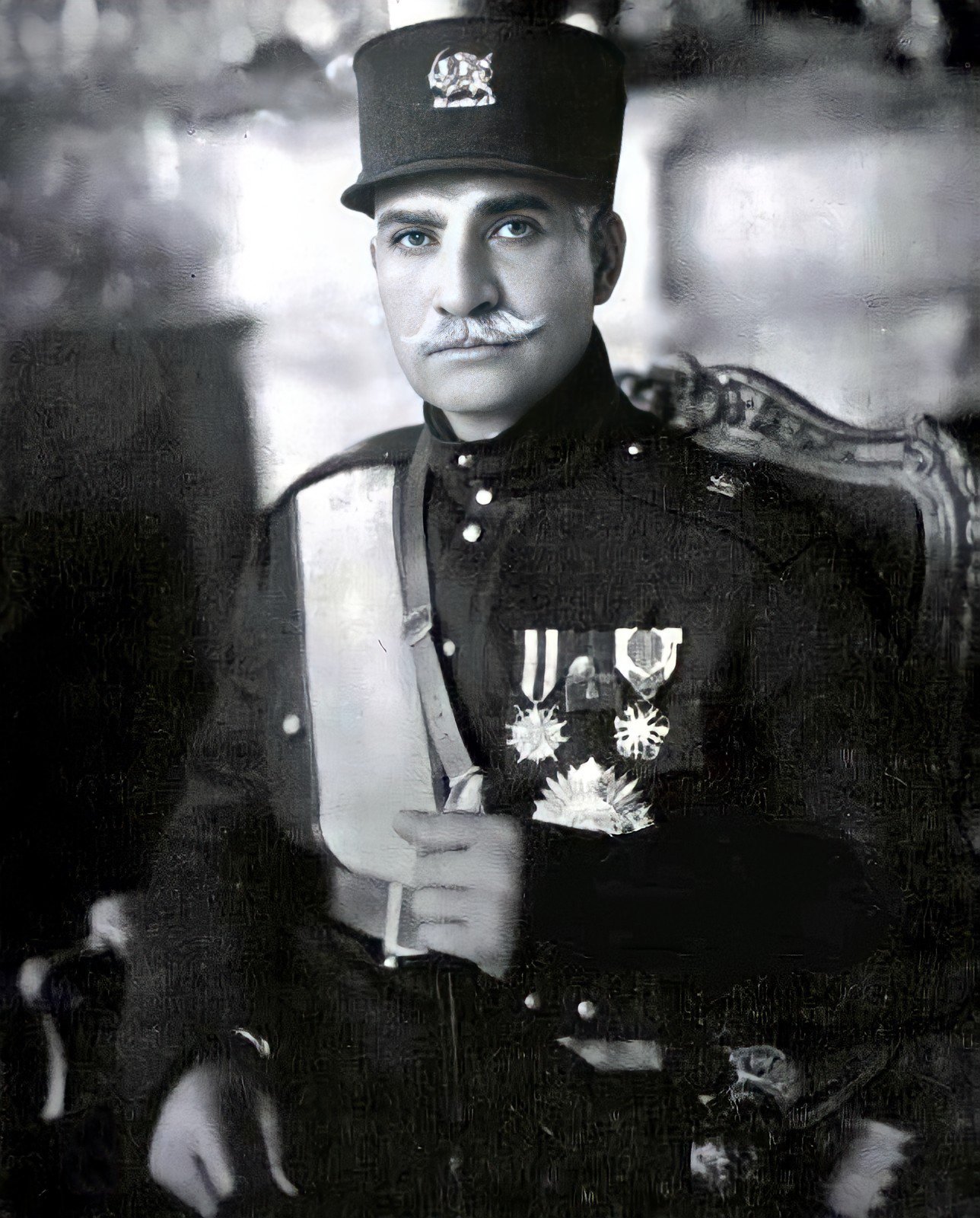
H.I.M. Reza Shah Pahlavi was one of the most important figures in modern Iranian history. As a military commander, statesman, and founding monarch of the Pahlavi Dynasty, he guided Iran toward a stronger central state, national unity, modern education, administrative reform, and the development of the country’s infrastructure.
Founder of the Modern Iranian State
The reign of Reza Shah marked the beginning of a new chapter in Iranian history, defined by national consolidation, modern institutions, expanded education, transportation networks, and the foundations of a modern state.
Early Life and Rise
Reza Shah was born in Alasht, Mazandaran, in 1878. He entered military service at a young age and advanced through discipline, command ability, and a strong sense of determination.
In the political developments of 1921, he emerged as a central figure in national affairs. After becoming Prime Minister, he was crowned Shah of Iran in 1925 and established the Pahlavi Dynasty.
Founding the Modern State of Iran
Reza Shah led a fragmented country toward order, national authority, and a modern administrative structure. The creation of a modern army, the strengthening of the central government, and the restoration of internal security were among the defining achievements of his reign.
The purpose of these reforms was to build an independent, united, and capable Iran — a country able to resist foreign influence and pursue development based on its own national identity.
Army & State
Creation of a modern army, strengthening of the central government, and expansion of national authority.
Infrastructure & Industry
Construction of the Trans-Iranian Railway, expansion of roads, factories, ports, and national infrastructure.
Education & Justice
Expansion of modern education, establishment of the University of Tehran, and reform of the judicial system.
Modernization, Education, and Social Transformation
During the reign of Reza Shah, Iran experienced major reforms in education, justice, the military, transportation, industry, and public administration. The establishment of modern schools, the University of Tehran, and new national institutions helped create the foundations for a transformed society.
The social and cultural reforms of this period, including the emphasis on national identity, modern dress, and the broader public presence of women, formed part of the wider process of building modern Iran.
Challenges and Final Years
With the outbreak of World War II and growing pressure from foreign powers, Iran was occupied by Allied forces in 1941. Under political pressure, Reza Shah abdicated in favor of his son, Mohammad Reza Shah Pahlavi.
He spent his final years in exile and passed away in Johannesburg in 1944.
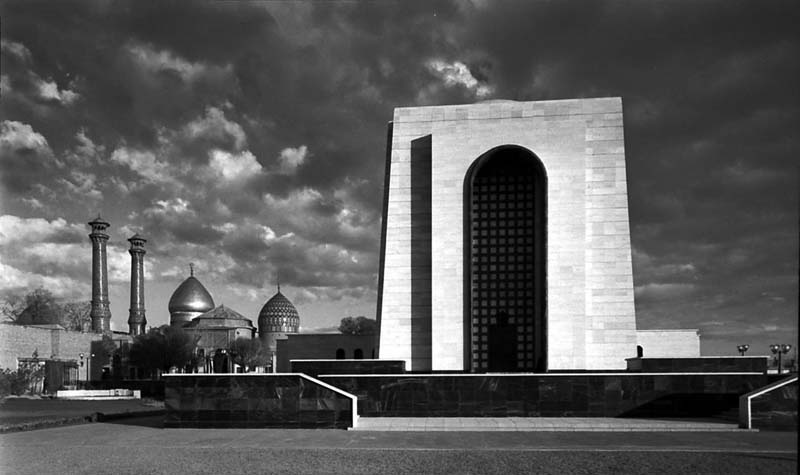
Enduring Legacy
Reza Shah’s legacy in modern Iranian history is closely tied to modernization, national unity, the central state, infrastructure development, and the formation of a renewed Iranian national identity.
His role in founding modern institutions, expanding education, and creating national structures remains one of the most important subjects in the study of twentieth-century Iran.
Family
Parents
Abbas-Ali Khan
Noush-Afarin Ayromlou
Spouses
Tadj ol-Molouk Ayromlou
Turan Amirsoleimani
Esmat Dowlatshahi
Dynasty
Founder of the Pahlavi Dynasty
Father of Mohammad Reza Shah Pahlavi
H.I.M. Reza Shah Pahlavi
15 March 1878 — 26 July 1944
Founder of the Pahlavi Dynasty